

In the last week of August, a freight forwarder in Frankfurt watched a quote for wide body space to Chicago change twice in five days. The first increase came from a fuel surcharge adjustment. The second came because the flight had simply sold out of pallet positions. Six weeks before the traditional Q4 rush even begins, the market was already behaving like peak season.
For logistics directors building Q4 budgets, that early tightening matters more than any single headline rate. Two forces are converging on air freight capacity this year: a historic jump in jet fuel costs and a passenger aircraft fleet that still cannot supply enough belly space to match demand. Neither is likely to ease before the holiday peak.
Why fuel costs are reshaping the Q4 equation
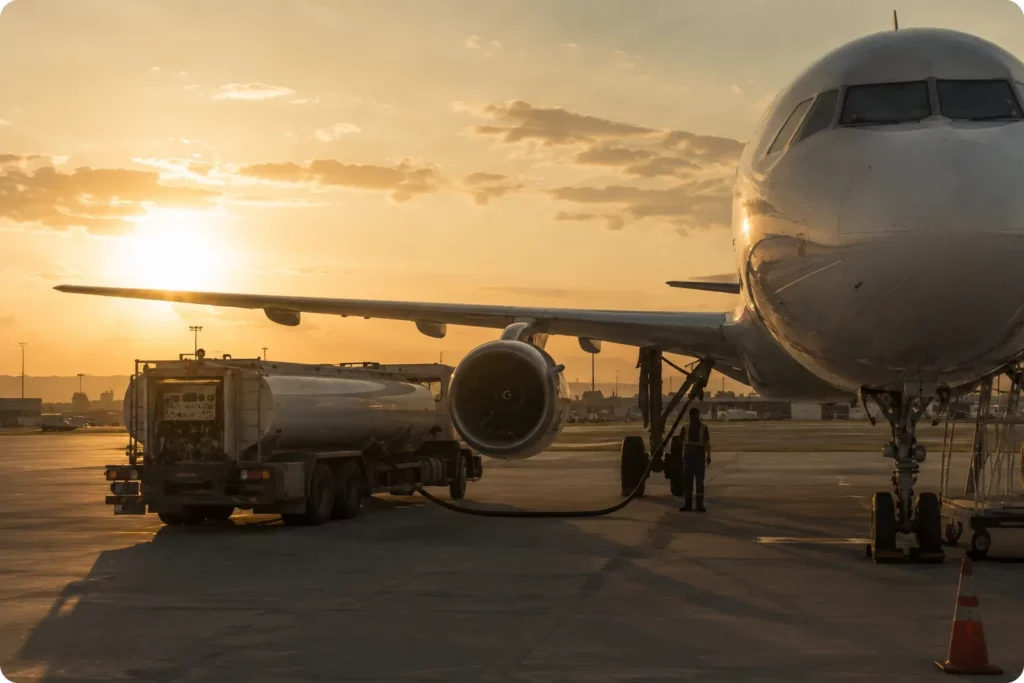
The starting point is the International Air Transport Association's revised 2026 outlook. Airlines now expect their combined fuel bill to rise nearly 40 percent this year, from 252 billion dollars in 2025 to 350 billion dollars in 2026. The increase is not driven by airlines flying more. Global fuel consumption is expected to stay almost flat. It is driven by price: jet fuel is now forecast to average 152 dollars per barrel, up from 90 dollars in 2025, after the Strait of Hormuz became a flashpoint in the ongoing Middle East conflict.
That single shift has pushed fuel from roughly a quarter of airline operating costs to close to a third. For shippers, that cost does not stay on the airline's balance sheet. It travels forward through fuel surcharges that are recalculated more often and by wider margins than a normal year, and it lands on the same invoices that logistics directors are trying to forecast for October, November and December.
What changed on the capacity side
Fuel is only half the story. According to Xeneta's mid year air freight outlook, roughly 12 percent of global air cargo capacity was removed almost overnight earlier this year as carriers rerouted away from Middle East airspace. Demand has grown faster than supply ever since: global air cargo demand was up around 4 percent year over year by June, while capacity growth is now tracking toward the low end of a 2 to 3 percent range.
Aircraft deliveries are not closing the gap. In the first half of 2026, Boeing and Airbus together delivered roughly 75 wide body passenger aircraft, only a handful more than the same period in 2025. Since wide body jets carry a large share of the world's belly cargo, a slow production recovery keeps pressure on both passenger seats and cargo holds at once. Xeneta had originally expected air freight rates to fall by up to 10 percent this year. The firm now forecasts an increase of 5 to 15 percent year over year, a reversal that reflects exactly how tight the second half of 2026 has become.
How logistics networks are preparing for peak
Some networks are treating Q4 as a booking problem rather than a rate problem, and the distinction matters. At Flash, on-demand freight exists precisely for moments like this: rather than committing an entire quarter's volume to a single contracted lane months in advance, shippers can reserve space closer to the actual shipment date while still moving with priority when a deadline cannot slip.
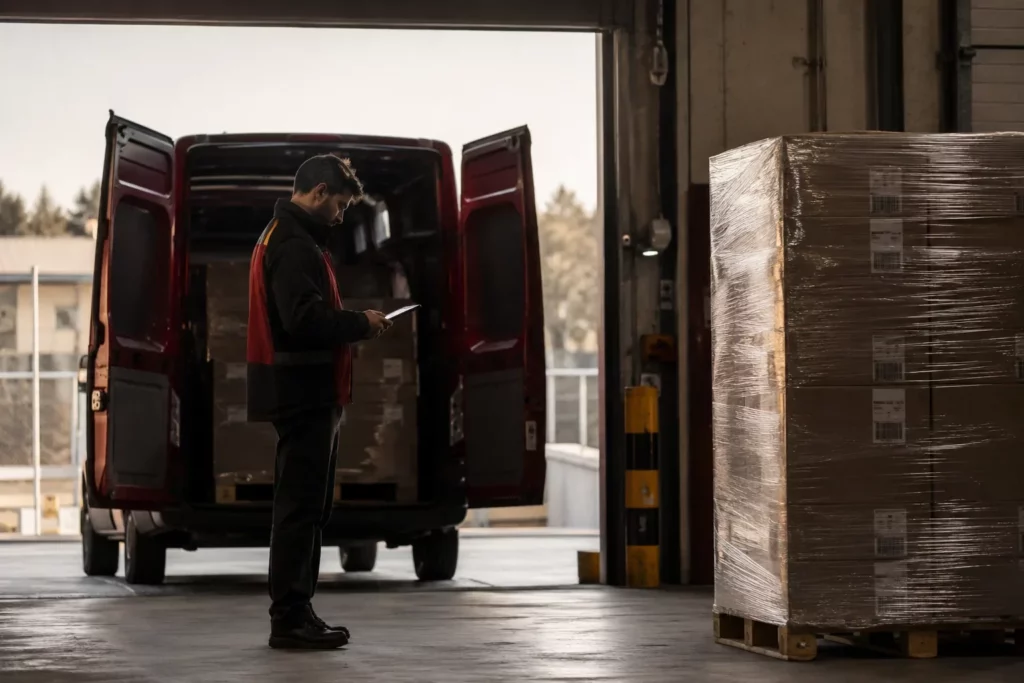
Network design plays an equal role. A partner based logistics network that spans multiple carriers and lanes gives a shipper more than one route to the same destination, so a single sold out flight or blocked corridor does not stop a shipment. Pairing that flexibility with a hybrid mix of road and air, choosing the mode that fits the deadline rather than defaulting to air for everything, keeps costs proportional to real urgency instead of blanket premium pricing.
For customers in automotive, aerospace and healthcare, where a missed Q4 delivery window can shut down a production line or delay a regulated shipment, this is the season where a carrier's actual network depth gets tested, not just its marketing.
The road ahead
Q4 2026 will not reward shippers who wait for capacity to loosen on its own. Fuel costs are structurally higher for the year, aircraft deliveries will not meaningfully improve before the holidays, and rates are already moving in the direction Xeneta warned about months ago. The logistics directors who lock in flexible capacity now, rather than in November, are the ones who will move through peak season on schedule.
If your Q4 volumes are exposed to tight lanes or fuel driven rate swings, talk to the Flash team about building a capacity plan before the rush begins.

Frequently asked questions
Why are air freight rates rising ahead of Q4 2026 peak season?
Rates are rising because two pressures are hitting the market at once: a nearly 40 percent jump in airline fuel costs and a wide body aircraft shortage that limits both passenger and cargo capacity. Xeneta now forecasts rates to increase 5 to 15 percent year over year, reversing an earlier forecast of a decline.
How much have jet fuel costs increased in 2026?
According to IATA, the global airline industry's fuel bill is expected to rise from 252 billion dollars in 2025 to 350 billion dollars in 2026, a nearly 40 percent increase, driven by jet fuel prices averaging 152 dollars per barrel compared with 90 dollars the previous year.
Why is passenger belly cargo capacity still constrained?
Roughly 12 percent of global air cargo capacity was removed almost overnight earlier in 2026 as carriers rerouted around Middle East airspace. At the same time, Boeing and Airbus delivered only a small increase in wide body aircraft in the first half of the year, so the passenger fleet that carries much of the world's belly cargo has not recovered enough to meet demand.
Will Q4 2026 peak season be worse than previous years?
Conditions point to a tighter and more expensive peak season than recent years. Global air cargo demand has been growing faster than capacity through mid year, and elevated fuel costs are expected to persist through the fourth quarter, though the scale of impact will vary by lane and origin.
How can shippers protect Q4 shipments from capacity shortages?
Booking earlier, spreading volume across more than one carrier or lane, and using a hybrid mix of on-demand air and road freight instead of relying on a single contracted route are the most effective ways to reduce exposure to a tight Q4 market.
What is the difference between belly capacity and freighter capacity?
Belly capacity is cargo space in the lower hold of a passenger aircraft, while freighter capacity refers to dedicated cargo aircraft that carry no passengers. Belly capacity depends on passenger flight schedules and is more exposed to route restrictions, while freighters can be redeployed more flexibly to match cargo demand.